Classes at Dynamic Bracing and PT and Timberview Church
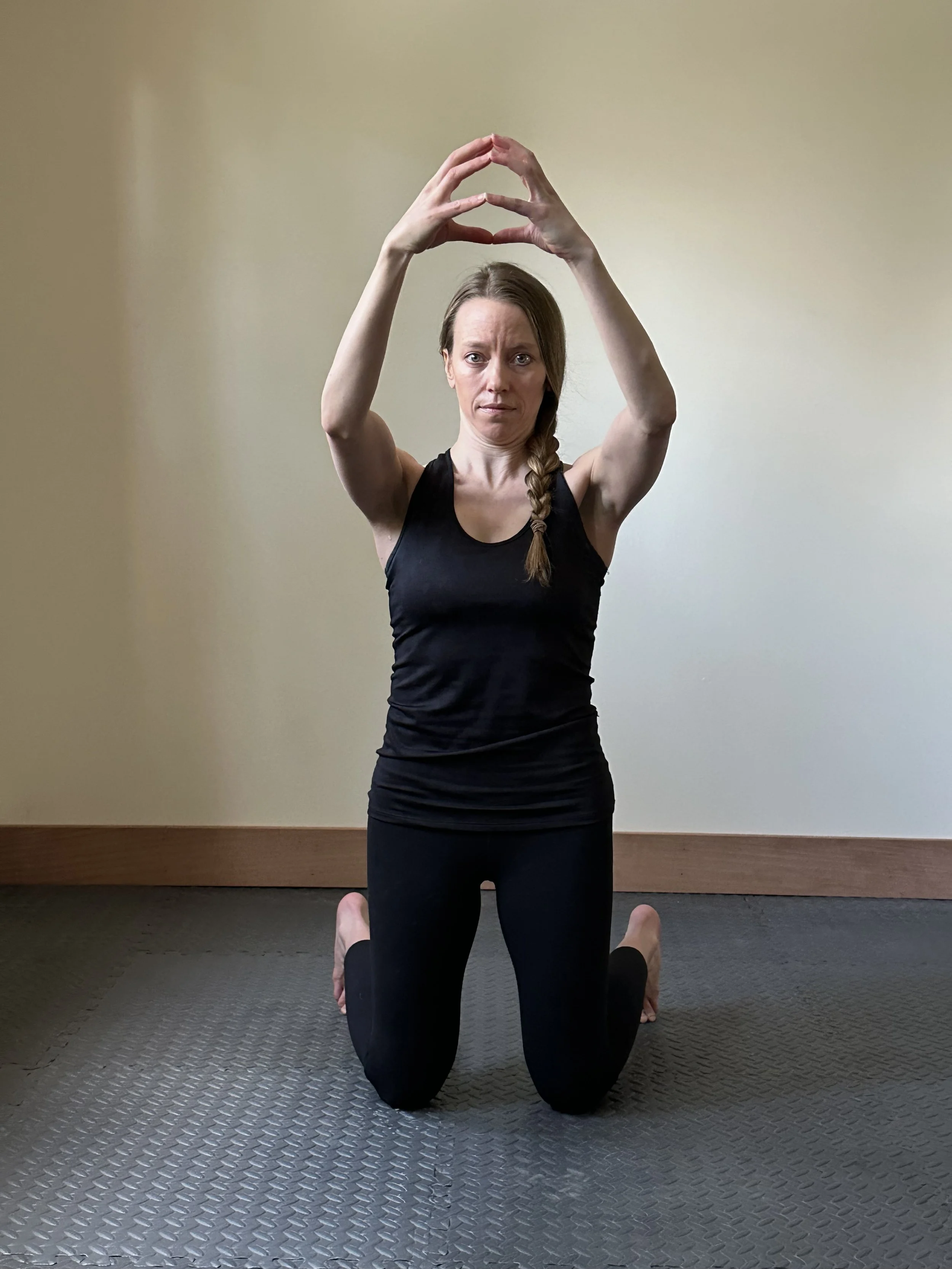
Exercises that promote
Good posture
Functional strength
Balance
Spinal Decompression
Attending
These are drop-in classes; no RSVP required. Before your first class, please arrive 5-10 minutes early to sign a waiver. There is a learning curve to many of the exercises, but newcomers will have access to introductory videos to get them up to speed for future classes.
Dynamic Bracing and PT (Downtown/South)
WHEN: Tuesdays and Thursdays, 12:30-1:30 pm
WHERE: Timberview Church, 405 E Pacific Ave, Spokane, WA 99202
WHAT TO BRING: Nothing; all gear, including mats provided. Wear comfortable clothes; these exercises are generally done barefoot.
COST: First class free; $10 each additional class. Cash, check or Venmo accepted and short videos included for those wanting to continue corrective exercises between classes.
CLASS LEVEL: Tuesdays-Intermediate; Thursdays-Advanced
Timberview Church (North)
WHEN: Tuesdays, 10-11 am
WHERE: Timberview Church, 15511 N Howe Road, Mead, WA 99021
WHAT TO BRING: Bring a yoga mat and wear comfortable clothes. These exercises are generally done barefoot.
COST: First class free; $10 each additional class. Cash, check or Venmo accepted and short videos included for those wanting to continue corrective exercises between classes.
CLASS LEVEL: Beginner
What to Expect
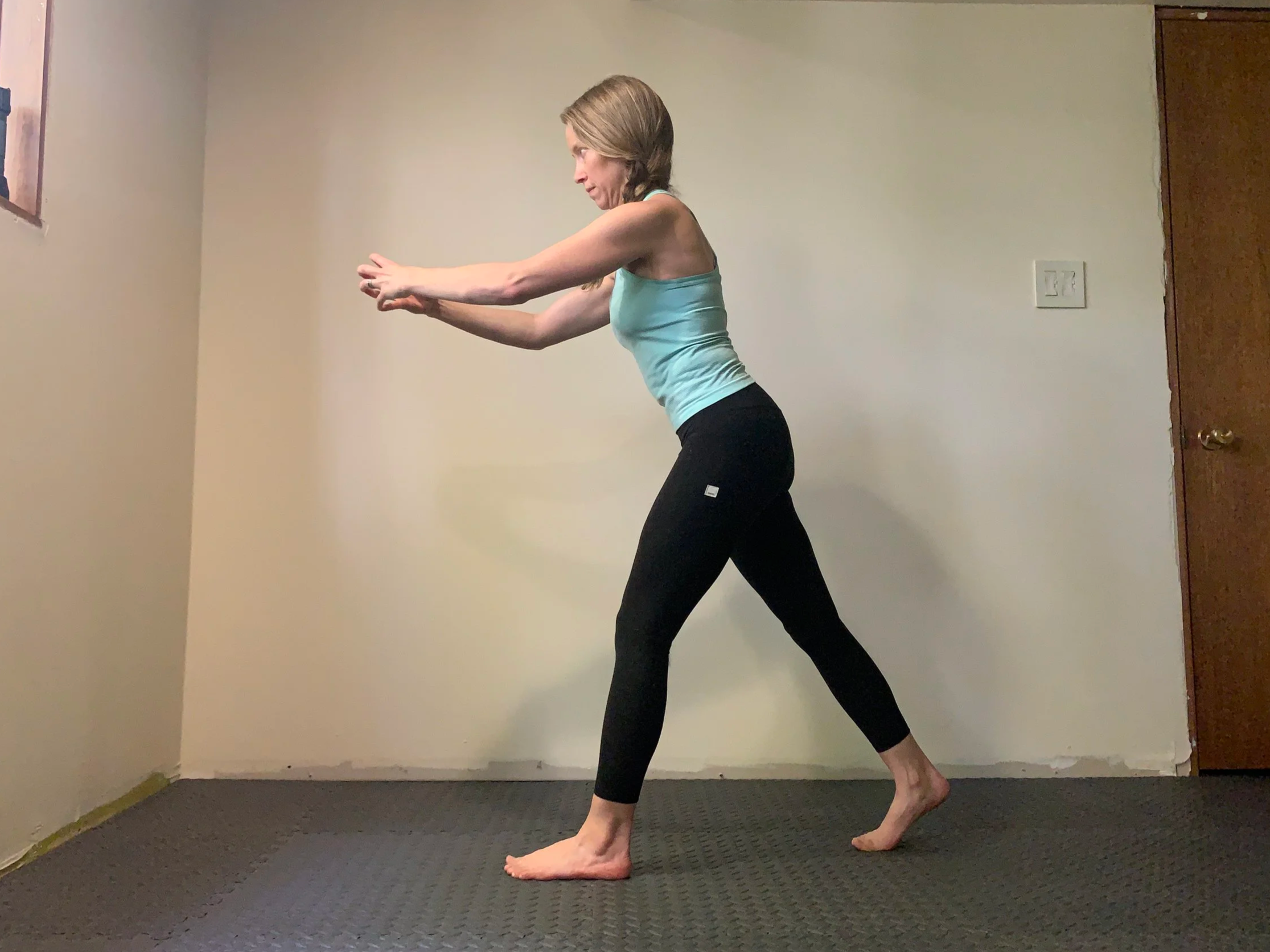
Nearly all exercises in these classes rely on important foundational concepts, like foot position; creating a strong base for your center of gravity (pelvis); breathing big and holding your spine in a neutral position; activating certain muscles while relaxing others; and creating awareness of hip, pelvis, and shoulder positioning. There is a learning curve, but introductory videos are provided (at no cost) to any participants who want to go over these basics in more detail.
Exercises focus on posture, strength, balance, and mobility needed for functional movements in daily life. Participants will be encouraged to choose an appropriate variation of each exercise. For some, this may mean seated variations or holding onto a wall, while others may choose to load movements with weights or resistance bands. We target commonly underactive muscles, like the core and muscles along the backline of the body (hamstrings, glutes, back) while working to decompress (create space) in the spine, torso, and chest (commonly overactive and compressed areas).