Classes at Timberview Church
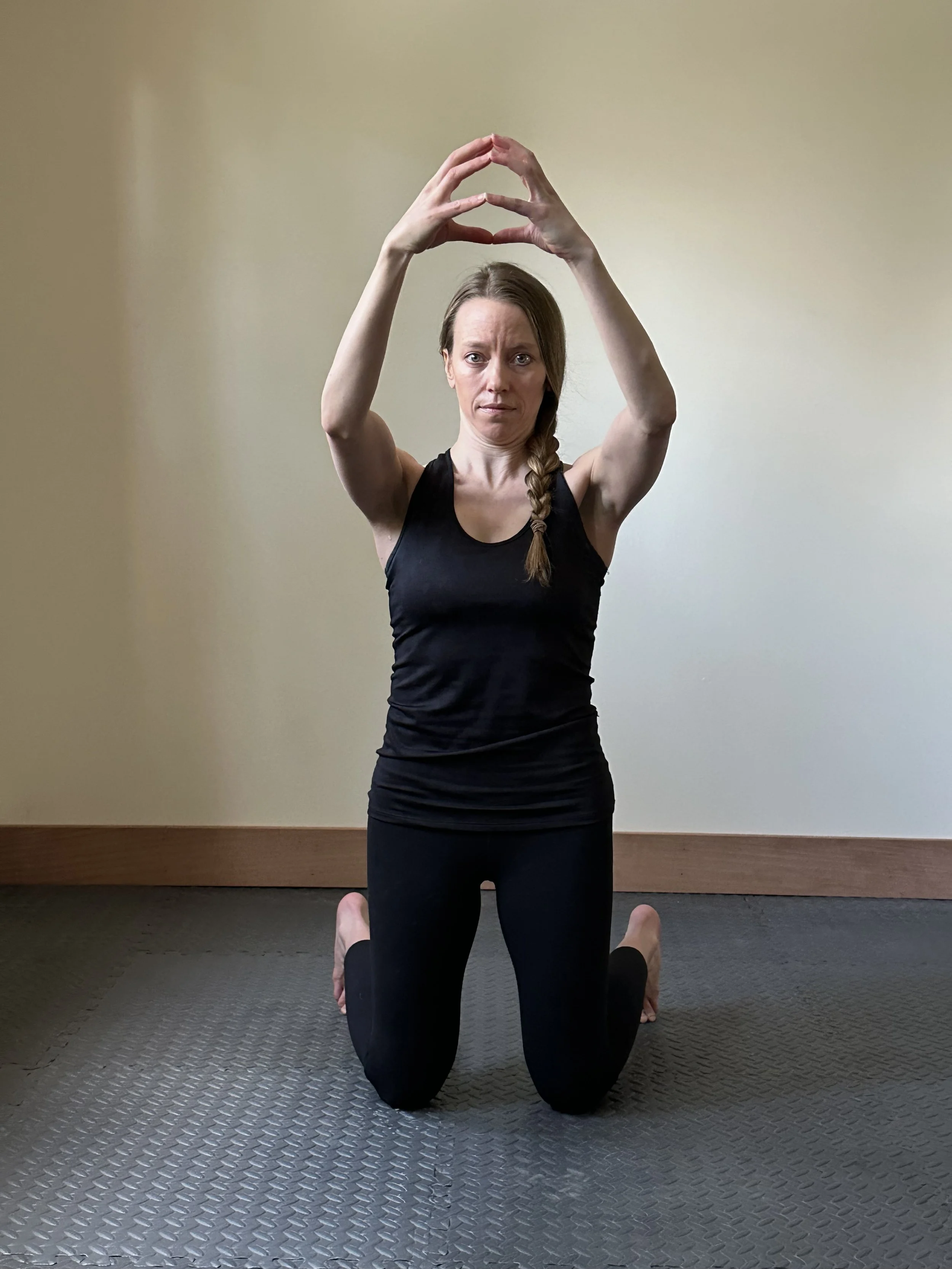
Exercises that promote
Good posture
Functional strength
Balance
Spinal Decompression
Attending
These are drop-in classes; no RSVP required.
WHEN: Tuesdays, 10-11 am June 2-Aug. 25 (Please arrive 5 minutes early; before your first class you will need to sign a waiver)
WHERE: Timberview Church, 15511 N Howe Road, Mead, WA 99021
WHAT TO BRING: Bring a yoga mat and wear comfortable clothes. These exercises are generally done barefoot.
JOIN ANY TIME: If you miss the first three introductory classes, you can jump in later and will be encouraged to watch a few 5-minute training videos to review the basics.
COST: First class free; $10 each additional class. Cash, check or Venmo accepted and short videos included for those wanting to continue corrective exercises between classes.
PARKING: Please park near the playground and walk up the ramp past the main entrance to a side door that leads to our upstairs workout space (no stairs required through this access door).
Getting Started-June 2, 9, and 16
The first three classes will review critical body basics and be low intensity. We will spend time understanding important foundational concepts like how to position feet; how to create a strong base for your center of gravity (pelvis); how to breathe big and hold your spine in a neutral position; how to activate certain muscles while relaxing others; and creating awareness of hip, pelvis, and shoulder positioning.
Ramping Up
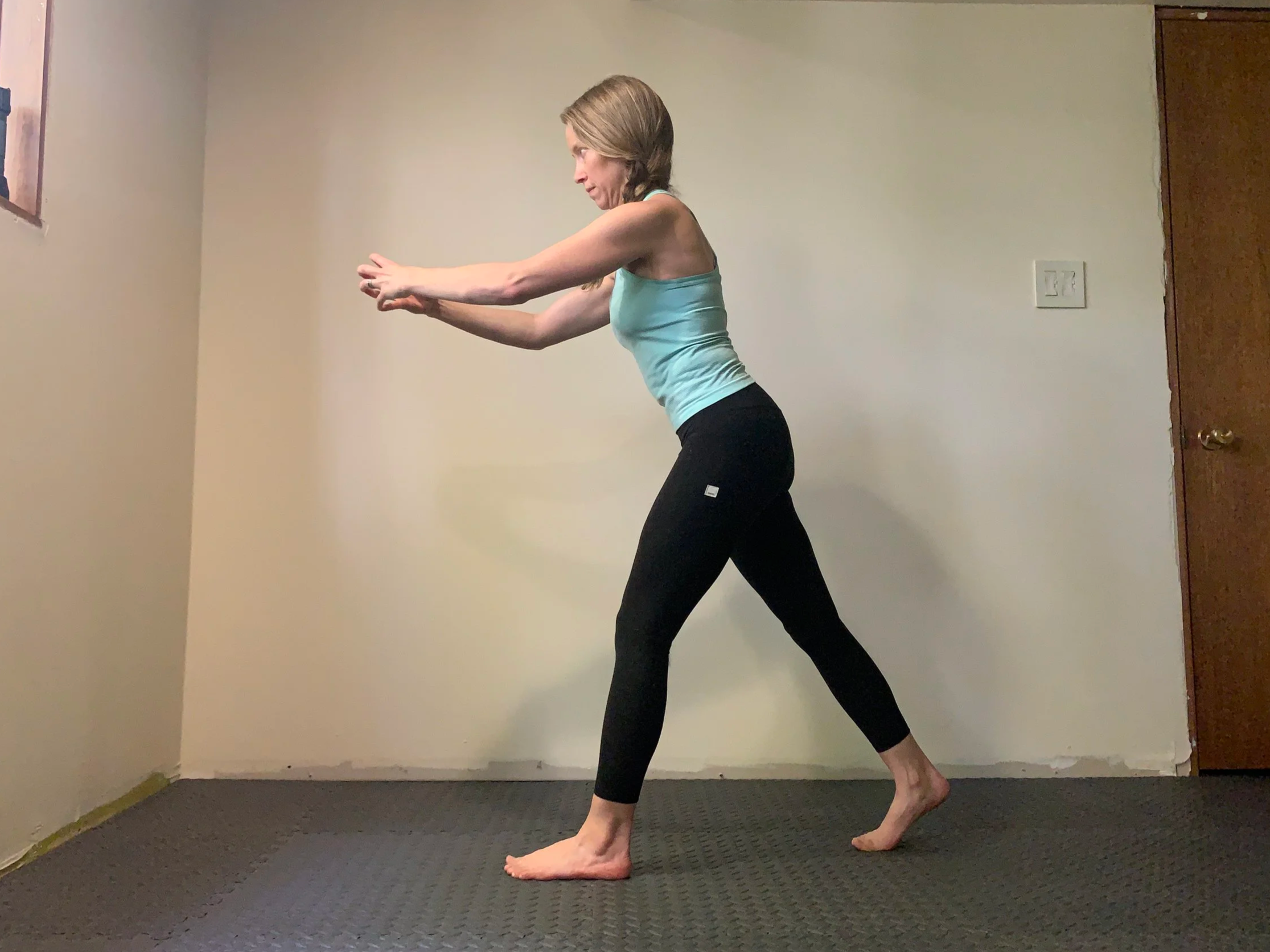
Once participants understand the basics, we will transition into exercises requiring more muscle activation and joint mobility. Participants will be encouraged to choose an appropriate variation of each exercise. For some, this may mean seated variations or holding onto a wall, while others may choose to load movements with weights or resistance bands. We will target commonly underactive muscles, like the core and muscles along the backline of the body (hamstrings, glutes, back) while working to decompress (create space) in the spine, torso, and chest (commonly overactive and compressed areas).